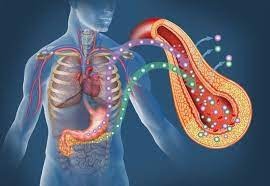
Diabetes is a chronic condition that affects glucose metabolism and how the body turns food into energy.
Normally, food is broken into glucose, which enters the bloodstream.
Insulin helps glucose enter cells to produce energy.
In diabetes, the body doesn’t produce enough insulin or can’t use it well, causing high blood sugar.
This can cause nerve, heart, vision, and kidney damage.
Types of Diabetes
- 🧬 Type 1: Autoimmune, usually starts young, no insulin production.
- 🍔 Type 2: Most common, linked to lifestyle & insulin resistance.
- 🤰 Gestational: Develops during pregnancy, may lead to Type 2 later.
Type 1 Diabetes
An autoimmune condition where the pancreas stops making insulin. Common in children & young adults but can happen at any age.
Type 2 Diabetes
Often preventable. Caused by insufficient insulin or resistance. Risk factors include obesity, inactivity, poor diet, and genetics.
Gestational Diabetes
Occurs during pregnancy, usually resolves post-delivery. Raises risk of Type 2 later in life.
Treatment - The 4 Wheels
To manage diabetes effectively, think of it like driving a car—4 wheels must work together:
- 🧪 Monitoring: Regularly check blood sugar levels
- 🥗 Balanced Diet: Healthy and mindful eating
- 🏃 Exercise: Regular physical activity
- 💊 Medication: Oral drugs, insulin, or both