
Poison Cases
Poison cases are medical emergencies that often require immediate treatment to prevent serious health consequences or fatalities.

Paralysis
Paralysis is the loss of muscle function in part or all of the body, often caused by damage to the nervous system. This condition can result from various factors, including stroke, spinal cord injury, multiple sclerosis, or other neurological disorders.

Heart Attack
A heart attack, or myocardial infarction, occurs when blood flow to a part of the heart is blocked, typically by a blood clot, preventing oxygen from reaching the heart muscle.
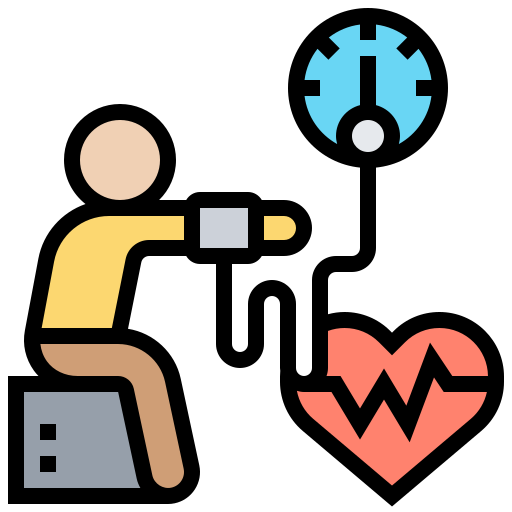
Low BP Hyper Tension
when blood pressure is decreases or if consistently too high, putting extra strain on the heart and blood vessels. Over time, it can lead to serious health issues such as heart disease, stroke, and kidney damage.
Cholera / Diarrhea/Vomiting
An acute diarrheal disease caused by Vibrio cholerae, leading to severe watery diarrhea and vomiting, often due to contaminated water.
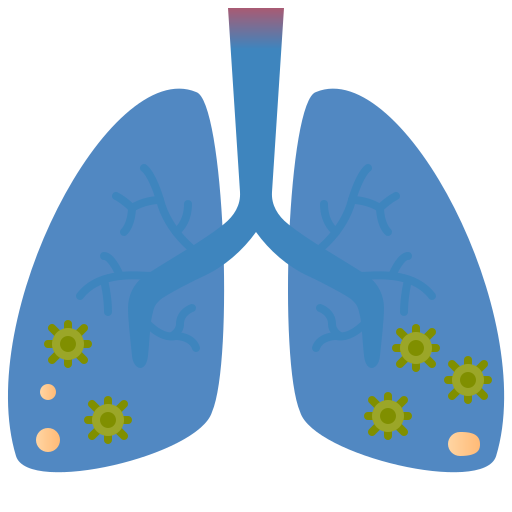
Pneumonia
Pneumonia is a lung infection that causes inflammation in the air sacs, causing them to fill with fluid or pus. It can be caused by bacteria, viruses, or fungi, leading to symptoms like cough, fever, chills, and difficulty breathing.
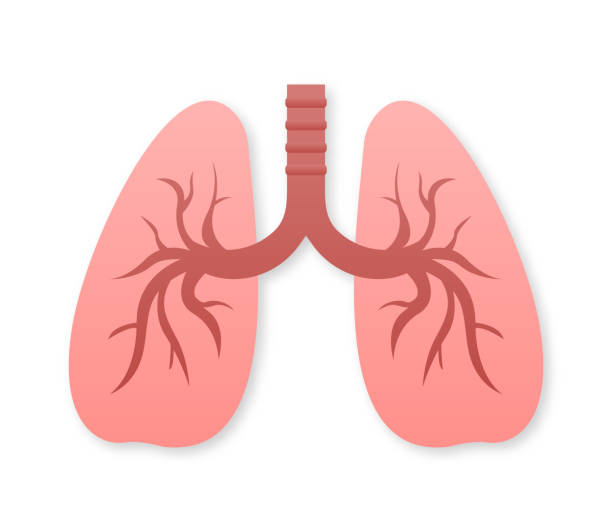
Tuberculosis / Emphysema
Tuberculosis is a contagious bacterial infection caused by Mycobacterium tuberculosis, primarily affecting the lungs. Treatment involves a long-term course of antibiotics.

Pancreatitis
Symptoms include severe abdominal pain, nausea, vomiting, and fever. Treatment focuses on managing pain, addressing the underlying cause, and supporting the pancreas as it heals.

Unconsciousness
Unconsciousness is a state in which a person is unresponsive and unable to wake up, often due to a lack of oxygen to the brain, injury, illness, or drug overdose.

Heart Failure Cases
Heart failure occurs when the heart is unable to pump blood effectively, leading to inadequate blood flow to meet the body's needs. It can result from conditions like coronary artery disease, high blood pressure, or heart valve issues.

Swine Flu Cases
Swine flu, or H1N1 influenza, is a respiratory illness caused by the H1N1 influenza virus, which originated in pigs but can spread between humans. Symptoms resemble seasonal flu and include fever, cough, sore throat, body aches, and fatigue.
Bronchial Asthma
Bronchial asthma is a chronic respiratory condition characterized by inflammation and narrowing of the airways, leading to wheezing, shortness of breath, chest tightness, and coughing.

Brain Diseases
Treatment often involves medication, therapy, and supportive care to manage symptoms and improve quality of life. Symptoms vary widely and can include memory loss, motor impairments, and changes in mood or behavior.
Abdominal Disease
Abdominal diseases encompass a range of conditions affecting the organs within the abdomen, including the stomach, intestines, liver, and pancreas. These diseases can cause symptoms like abdominal pain, nausea, vomiting, and changes in bowel habits.
Diabetic Case
Diabetes is a chronic condition characterized by elevated blood sugar levels due to insufficient insulin production or poor insulin utilization. Management involves monitoring blood sugar levels, lifestyle changes, and medication to maintain glucose control and prevent complications.

Electric Shock
Electric shock occurs when a person comes into contact with an electric current, which can disrupt normal body functions and cause injury. Symptoms range from mild tingling to severe burns, muscle contractions, or cardiac arrest.
Heart Valve Disease
Heart valve disease involves dysfunction of one or more of the heart's valves, which can impair blood flow through the heart. It can result from conditions like valve stenosis (narrowing) or regurgitation (leakage).

Hanging Suicide Cases
Hanging suicide cases involve an individual intentionally strangling themselves using a ligature, such as a rope or belt, which cuts off oxygen to the brain and causes death.
Kidney Disease
Kidney disease refers to conditions that impair the kidneys' ability to filter waste from the blood effectively. It can range from acute kidney injury to chronic kidney disease (CKD), which progresses over time and can lead to kidney failure.
Spinal Column Diseases
Spinal column diseases affect the spine's structure or function, leading to pain, mobility issues, or neurological symptoms. Conditions include herniated discs, spinal stenosis, scoliosis, and degenerative disc disease.

Snake Bite
A snake bite occurs when a snake injects venom into a person through its fangs, potentially causing severe pain, swelling, tissue damage, and systemic symptoms like nausea or difficulty breathing.
Bug Bite
A bug bite occurs when an insect, such as a mosquito, flea, or tick, pierces the skin, often leading to redness, itching, and swelling at the site. Most bug bites are harmless, but some can transmit diseases like Lyme disease or cause allergic reactions.

Dog/Cat/Rat Bite
Bites from dogs, cats, or rats can puncture the skin and lead to infection, pain, and swelling. Animal bites may transmit bacteria, such as Pasteurella from cats or Capnocytophaga from dogs, and rats can carry diseases like rat-bite fever.

Gallbladder Disease
Gallbladder disease refers to conditions affecting the gallbladder, such as gallstones, cholecystitis (inflammation), or biliary dyskinesia (impaired function).
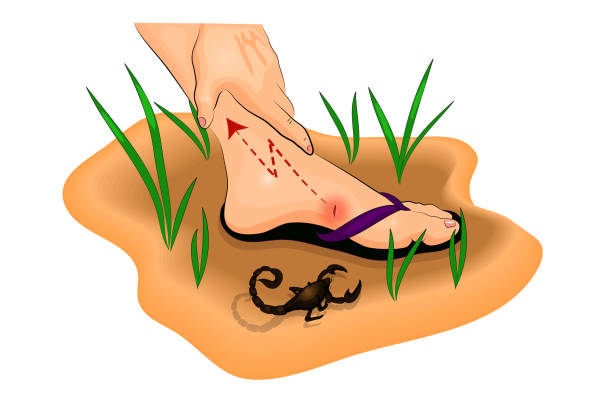
Scorpion Bite
A scorpion sting occurs when a scorpion injects venom into a person through its stinger, causing intense pain, swelling, and sometimes numbness or tingling at the sting site.
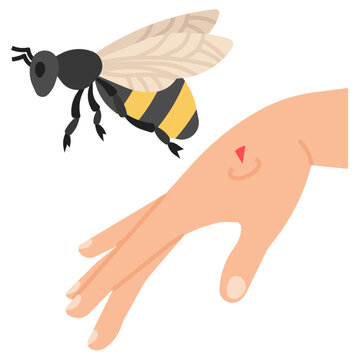
Honey Fly Bite
A honey bee sting occurs when a honey bee injects venom into the skin through its stinger, causing sharp pain, redness, and swelling at the sting site.
Fever(Dengue,Chikungunya)
A viral infection transmitted by Aedes mosquitoes, causing high fever, severe headache, joint and muscle pain, skin rash, and bleeding tendencies.
Lungs Disease
Lung diseases are medical conditions that affect the lungs and interfere with breathing.