Heart Attack Symptoms
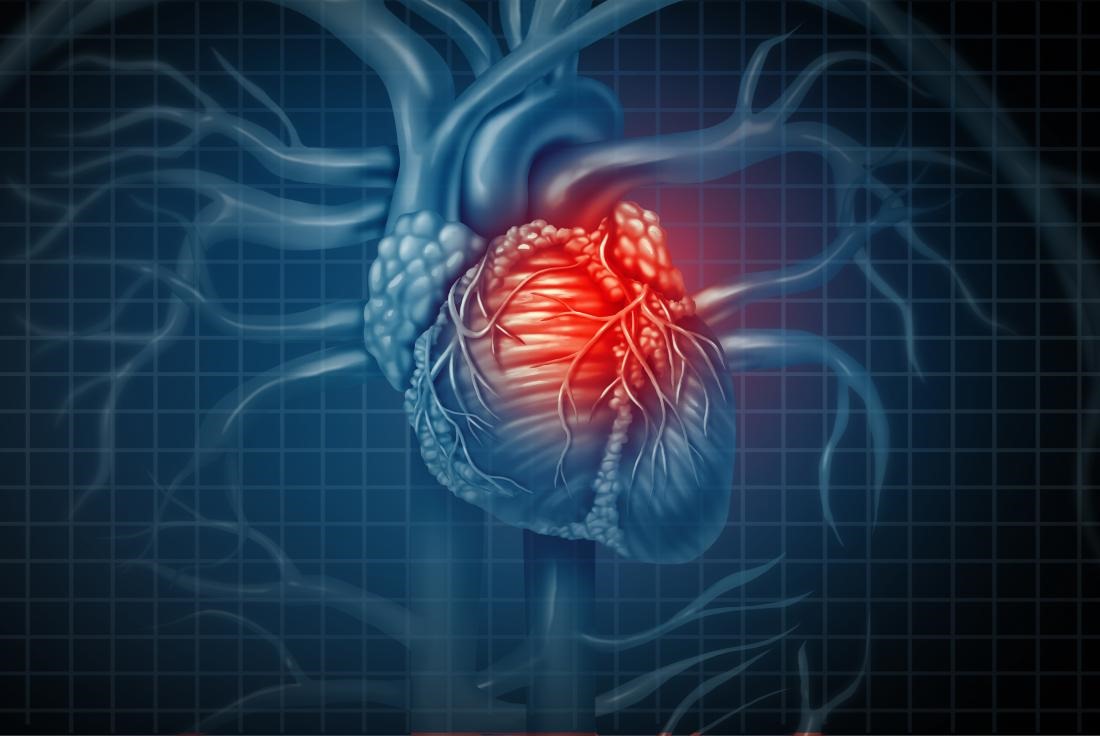
Discomfort or pain may radiate to the shoulders, arms, back, neck, jaw, or stomach.
A heart attack, or myocardial infarction, is a serious medical emergency that occurs when the blood supply to a part of the heart is suddenly blocked, usually by a blood clot. This blockage is often the result of a buildup of plaque in the coronary arteries, a condition known as coronary artery disease. Plaque is composed of fatty deposits, cholesterol, and other substances that accumulate on the artery walls over time. When a plaque ruptures, a blood clot forms at the site, obstructing the flow of blood to the heart muscle. If the blood flow isn’t restored quickly, the affected part of the heart muscle can begin to die, leading to permanent damage and potentially fatal outcomes.
Symptoms of a heart attack can vary widely but commonly include chest pain or discomfort that may radiate to the arms, neck, jaw, or back. Other signs can include shortness of breath, cold sweats, nausea, and lightheadedness. Women may experience more subtle symptoms, such as fatigue, indigestion, or shoulder pain, which can sometimes lead to delays in seeking treatment. Risk factors for heart attacks include high blood pressure, high cholesterol, diabetes, smoking, obesity, and a lack of physical activity. Family history and age also play a significant role. Immediate medical attention is crucial; treatments like medications, angioplasty, or surgery can restore blood flow and minimize heart damage. Preventative measures, such as a healthy diet, regular exercise, avoiding smoking, and managing stress, are key to reducing the risk of heart attacks and maintaining overall cardiovascular health.
Discomfort or pain may radiate to the shoulders, arms, back, neck, jaw, or stomach.