1) Why should high-fat foods be avoided to lower cholesterol ?
- Raise Bad Cholesterol (LDL) – Saturated fats in butter, cheese, and cream increase LDL cholesterol
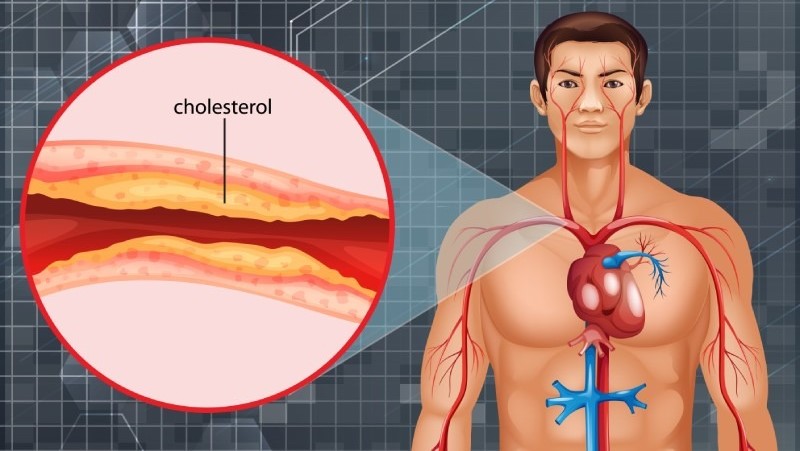
- Promote Heart Disease – Excess fat can clog arteries, leading to heart issues.
- Slow Down Metabolism– High-fat foods take longer to digest, increasing cholesterol buildup.
- Increase Weight Gain – Extra fat contributes to obesity, which raises cholesterol.
- Reduce Good Cholesterol (HDL) – Excess unhealthy fats lower beneficial HDL cholesterol.
2) What are the best dairy options for maintaining healthy cholesterol ?
Choose the following dairy options to control cholesterol :
- Skimmed Cow’s Milk – Provides protein and calcium without excess fat.
- Non-Creamy Yogurt & Buttermilk – Low-fat fermented dairy aids digestion.
- Limited Ghee Consumption – Only one teaspoon per day helps maintain balance.
- Avoid Full-Fat Dairy – Butter, cream, and paneer are high in saturated fats.
- Choose Plant-Based Alternatives – Almond or soy milk can be good substitutes.
3) What types of oils are best for reducing cholesterol?
- Saffola Oil – Contains healthy unsaturated fats.
- Sunflower Oil – High in polyunsaturated fats, good for cholesterol balance.
- Corn Oil – Lowers LDL cholesterol and reduces inflammation.
- Minimal Usage – Oils should only be used for light cooking or seasoning.
- Avoid Trans Fats – Stay away from hydrogenated oils and fried foods.
4) What foods should be included in a cholesterol-lowering diet ?
- Leafy Green Vegetables – Spinach, kale, and broccoli help lower cholesterol.
- Sprouted Legumes – Chickpeas, lentils, and beans improve heart health.
- Fruits – Apples, oranges, and berries reduce bad cholesterol.
- Salads – Cucumber, cabbage, tomatoes, carrots, and radish aid digestion.
- Low-Fat Dairy – Buttermilk and non-creamy yogurt are excellent choices.
5) What foods and drinks should be avoided to maintain healthy cholesterol levels ?
- Cold Drinks & Sugary Beverages – Increase triglyceride levels.
- Dry Fruits & Seeds – High in calories and fats, should be consumed in moderation.
- Fried & Processed Foods – Contain unhealthy trans fats.
- Excessive Tea & Coffee – Caffeine can contribute to cholesterol imbalance.
- Refined & Fast Foods – Junk food and white flour products should be minimized.